 EN
EN
EN
EN
 ES
ES

Atrioventricular Septal Defect (AVSD) – UrgentCare2Go®
In-Home Evaluation for Symptoms Related to Congenital Heart Defects
UrgentCare2Go® provides discreet, in-home evaluations for symptoms possibly associated with Atrioventricular Septal Defect (AVSD), a congenital heart condition affecting normal blood flow through the heart’s chambers and valves. Our mobile providers assess symptoms such as fatigue, shortness of breath, irregular heartbeat, poor exercise tolerance, or concerning cardiac signs. We review personal and family history, evaluate current symptoms, and guide patients on the safest next steps, including when further cardiac imaging or specialty care may be needed.
We accept most major insurance plansWhat Is an Atrioventricular Septal Defect (AVSD) Consultation?
An AVSD consultation helps evaluate symptoms that may be associated with congenital structural heart abnormalities involving the atrial and ventricular septum and the atrioventricular valves. Providers assess breathing patterns, exercise tolerance, fatigue, heart rate irregularities, and developmental concerns in children or persistent cardiac symptoms in adults.
The goal is to determine whether symptoms may be related to AVSD or another cardiac or non-cardiac condition, and to guide safe next steps such as imaging, monitoring, or specialty care.
What We Review During Your Consultation:
- Breathing difficulty, fatigue, or exercise intolerance
- History of congenital heart abnormalities or murmurs
- Irregular heartbeat or rapid breathing episodes
- Family history of congenital heart disease
- Infant or child feeding difficulties or poor growth
- Need for further assessment such as echocardiogram or ECG
- Recommendations for coordination with pediatric or adult cardiology
Why Early Evaluation of AVSD Symptoms Matters
In-home evaluation provides a safe environment for assessing symptoms that may be related to congenital heart conditions, especially for infants, children, or adults sensitive to travel. UrgentCare2Go® offers supportive, timely assessment to help guide next steps.
- Identify early signs of congenital heart flow abnormalities
- Understand whether symptoms warrant urgent cardiac imaging
- Learn how AVSD may impact breathing, heart rhythm, and activity levels
- Receive guidance on safe symptom monitoring and warning signs
- Plan next steps including specialty cardiology evaluation if needed
How to Prepare for Your UrgentCare2Go
Create a Clean and Comfortable Environment:
- Ensure the area for your UrgentCare2Go service is clean and has sufficient space for our equipment and staff to move around comfortably
- Please ensure you are ready at the scheduled appointment time
Secure All Pets in an Enclosed Area:
- Of course, we love pets! However, for the safety and comfort of everyone, please ensure all pets are secured in a separate, enclosed space during the visit
We Accept All Major Insurances
At UrgentCare2Go®, we accept Medicare, Texas Medicaid, Blue Cross Blue Shield, Aetna, UnitedHealthcare, Cigna, Curative, Oscar, Baylor Scott & White Health Plan, Care N Care, Tricare, Wellcare, Molina, Superior HealthPlan and many other commercial insurance plans using our billing company DK Physicians PLLC.












Providers
Meet Our Medical Staff
UrgentCare2Go®
provides comprehensive healthcare services for every member of your family, from the youngest to the oldest.
Our dedicated team includes Board Certified Family Medicine physicians and Physician Assistants
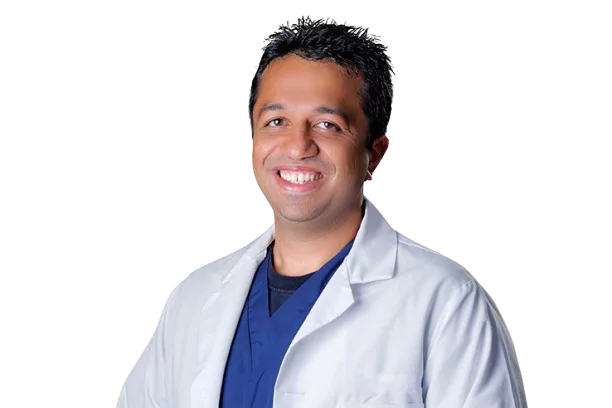
Nilesh
Nangrani
Family Medicine / Urgent Care
Des Moines University College
See All Offices +
Austin Office
Brownwood Office
Dallas-Fort Worth Office
El Paso Office
Houston Office
San Antonio Office
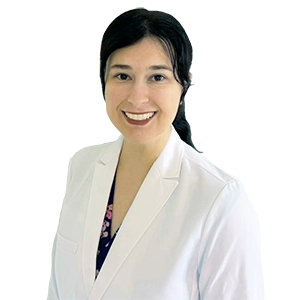
Alicia
DeMitchell
Family Medicine
Northern Michigan University
See All Offices +
Austin Office
Brownwood Office
Dallas-Fort Worth Office
El Paso Office
Houston Office
San Antonio Office
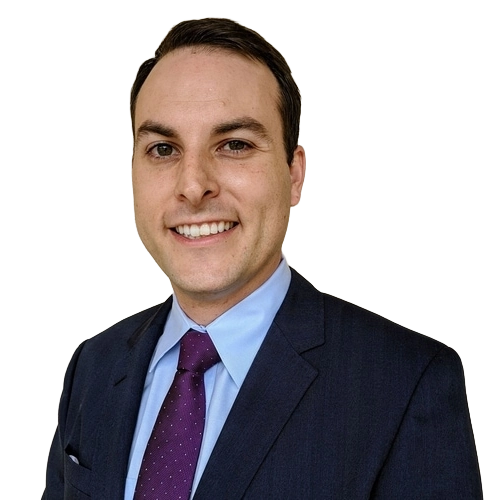
Grant
Starey
Family Medicine / Urgent Care
Mary Hardin-Baylor
See All Offices +
Austin Office
Brownwood Office
Dallas-Fort Worth Office
El Paso Office
Houston Office
San Antonio Office
Suguna
Neelakantan
Internal Medicine
Medical College, Trivandrum, India
See All Offices +
Austin Office
Brownwood Office
Dallas-Fort Worth Office
El Paso Office
Houston Office
San Antonio Office

Mehak
Nangrani
Family Medicine
Des Moines University, Iowa
See All Offices +
Austin Office
Brownwood Office
Dallas-Fort Worth Office
El Paso Office
Houston Office
San Antonio Office
Lyndsey
Gonzalez
Family Medicine / Urgent Care
Baylor College of Medicine
See All Offices +
Austin Office
Brownwood Office
Dallas-Fort Worth Office
El Paso Office
Houston Office
San Antonio Office

Keali
Mullins
Primary Care / Internal Medicine
Maryville University
See All Offices +
Austin Office
Brownwood Office
Dallas-Fort Worth Office
El Paso Office
Houston Office
San Antonio Office
Saji
Pillai
Internal Medicine
Dr. B. R. Ambedkar Medical College
See All Offices +
Austin Office
Brownwood Office
Dallas-Fort Worth Office
El Paso Office
Houston Office
San Antonio Office

Aanchal
Shrestha
Family Medicine / Urgent Care
Arcadia University
See All Offices +
Austin Office
Brownwood Office
Dallas-Fort Worth Office
El Paso Office
Houston Office
San Antonio Office

Ali
Busoul
Family Medicine
Texas College
See All Offices +
Austin Office
Brownwood Office
Dallas-Fort Worth Office
El Paso Office
Houston Office
San Antonio Office
Camara
Johnson
Family Medicine / Urgent Care
University of Texas at Arlington
See All Offices +
Austin Office
Brownwood Office
Dallas-Fort Worth Office
El Paso Office
Houston Office
San Antonio Office



UrgentCare2go : 24/7 Mobile Urgent Care
1273 Google reviews

Kellie G
2022-10-02
Great care, came at scheduled time, Alexis was super friendly and very helpful.

Jb Barnwell
2022-10-02
Jackie was Awesome!!! This service that’s offered is amazing and so helpful. I love that we didn’t have to leave the house!

Fatima Khan
2022-10-02
Great service 👏 👍

Slay with Dae
2022-10-02
My husband was seen and It was a great experience!! Nurse Jackie was great so polite and respectful. Thank you so much. I recommend UrgentCare2go!!

Brittney Garcia
2022-10-01
This service is absolutely amazing! Chris was our MA. He is an absolute asset to the URGENTCARE2GO team! He was kind, caring, and gentle with my little guy who was not feeling well. I will absolutely be using this service if needed in the future and recommending to our friends in the area.

Elaine Duarte
2022-10-01
Great service!!! Salvador was amazing!
Frequently Asked Questions (FAQs)
UrgentCare2Go
What symptoms may indicate Atrioventricular Septal Defect (AVSD)?
Symptoms may include rapid breathing, fatigue, difficulty feeding (in infants), poor growth, heart murmurs, irregular heartbeat, or shortness of breath. Adults may experience palpitations, decreased exercise tolerance, or signs of heart failure.
How is AVSD typically diagnosed?
Diagnosis generally requires a detailed cardiac evaluation including echocardiogram, ECG, chest imaging, and clinical review by a cardiologist. Our visit helps determine whether these next steps are appropriate.
Can AVSD be evaluated at home?
While formal diagnosis requires imaging, many early symptoms or concerns can be evaluated at home. Providers help identify risk factors, assess symptoms, and guide next steps safely.
Is AVSD dangerous?
Severe or uncorrected AVSD can lead to heart enlargement, pulmonary hypertension, valve issues, or reduced oxygenation. Early detection and appropriate follow-up significantly improve outcomes.
What treatments are available?
Treatment often involves surgical correction in childhood for moderate or severe defects. Symptom management, medications, or cardiology-monitored follow-up may be recommended for mild cases or adults with residual defects.
Can adults have symptoms from childhood AVSD?
Yes. Adults with partially corrected or previously unrecognized AVSD may experience arrhythmias, fatigue, or heart failure symptoms. Evaluation helps determine the cause and next steps.
When should urgent or emergency care be sought?
Seek immediate care for severe breathing difficulty, fainting, blue or gray skin tone (in infants), rapid worsening of symptoms, or significant chest discomfort.
Will my insurance cover AVSD-related evaluations?
Most insurance plans cover evaluations for cardiac symptoms. Coverage depends on your specific plan, copay, and deductible.
Can lifestyle changes help manage symptoms?
Providers may recommend activity adjustments, monitoring strategies, and routine cardiology follow-up to support long-term heart health.
How can I prepare for my appointment?
Bring your medical history, symptom timeline, current medications, and any previous cardiac evaluations. For children, note feeding patterns and growth concerns.